Child-Safe Pest Control Services in Sussex County for Modern Households
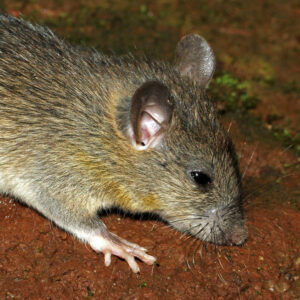
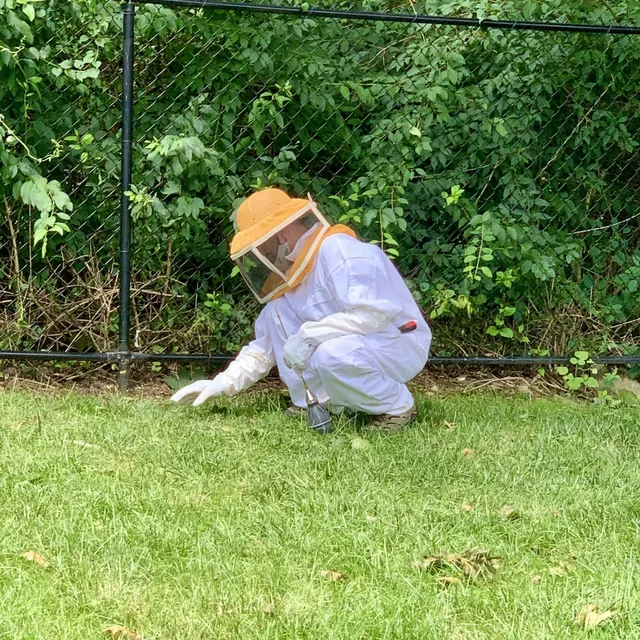

Parents rarely call pest control because they saw a single ant on the counter. They call when the small signs begin to add up, when a child wakes with mystery bites, when droppings appear behind the toaster, when a wasp keeps circling the playroom window, or when a toddler starts crawling toward a baseboard gap that suddenly seems less harmless than it did the week before. In a household with young children, pest problems are never just about nuisance. They are about exposure, hygiene, sleep, stress, and the uneasy feeling that your home is not as protected as it should be.
That is why child-safe pest control deserves a more careful conversation than the usual talk about sprays and service plans. Families in Sussex County need solutions that work, but they also need those solutions to fit the rhythms of real homes, homes with snack crumbs under booster seats, stuffed animals on bedroom floors, pets drinking from low bowls, and children who touch everything. The right provider understands that pest elimination is only half the job. The other half is reducing risk while making daily life easier, not more complicated.
When people search for Pest Control Services Sussex County, they often start with urgency. They need help fast. What they really need, though, is a company that treats pest management as a balance of effectiveness, timing, product choice, and practical prevention. That balance is what separates a quick treatment from a service that genuinely protects a family home.
What child-safe pest control actually means
The phrase gets used loosely, and that can create false confidence. Child-safe pest control does not mean no risk under any circumstances. It means the service is designed to minimize exposure through careful inspection, targeted applications, low-volume treatment methods where appropriate, exclusion work, sanitation guidance, and clear instructions for reentry and follow-up.
A seasoned technician looks at the house the way a parent would, only with sharper eyes. They notice the applesauce pouch under the couch, the splash zone beneath the dog bowl, the unsealed pipe opening behind the washing machine, and the branch pressing against the roofline. Those details matter because they often determine whether a problem can be solved with narrow, strategic work or whether repeated chemical treatments will become necessary.
In family homes, broad interior spraying is usually a sign that something upstream has been missed. Sometimes it is justified, especially with severe infestations, but in many cases the better approach is to identify harborage areas, close entry points, place products in inaccessible locations, and reserve stronger measures for where pests live and travel, not where children play and breathe.
That distinction matters with common Sussex County pests. Ants can often be managed more effectively with well-placed baiting than with heavy surface treatments. Mice require exclusion as much as trapping. German cockroaches demand precision, because poor product placement can spread contamination and prolong the infestation. Stinging insects need nest-specific treatment and often exterior correction. Every pest asks for a different level of intervention, and a child-safe plan starts by resisting one-size-fits-all methods.
Sussex County homes come with their own pest pressures
Local conditions shape the problem. Sussex County households deal with a mix of suburban development, wooded lots, farmland edges, wetlands, shore influence in some areas, and seasonal humidity that can make crawl Pest Control Services Sussex County spaces, basements, and utility penetrations especially attractive to pests. Older homes may have charming trim, fieldstone foundations, and hidden voids that mice and insects exploit. Newer homes often have tighter envelopes, which help with energy efficiency but can concentrate pest activity if food, moisture, or entry points are present.
Spring tends to bring ant activity, overwintering insects, and the first signs of wasp nest formation around eaves, sheds, and play structures. Summer increases pressure from mosquitoes, flies, and stinging insects, especially where standing water, shaded yards, and outdoor dining overlap. Fall is prime time for mice seeking warmth. Winter is when many families discover the full extent of a hidden problem, usually after hearing scratching in the walls or finding droppings in pantries, mudrooms, or under sinks.
I have seen this pattern repeatedly in family properties across semi-rural neighborhoods. The issue is not that the house is dirty. That assumption lingers, and it is usually wrong. A spotless kitchen can still have mice if a garage weather strip is worn out and a bird feeder sits close to the foundation. A tidy playroom can still attract ants if a juice box leaks into a floor vent. In homes with children, activity itself creates opportunities. That is normal. A strong pest control plan accounts for how families actually live.
The inspection is where good service begins
The most reliable Pest Control Services Sussex County providers spend more time inspecting than many homeowners expect. That is a good sign. Inspection tells the technician what pest is present, how advanced the problem is, where the pressure starts, and what level of control is necessary. Without that step, treatment becomes guesswork.
A quality inspection in a child-focused household should cover interior living areas, bathrooms, kitchens, laundry rooms, basements, attics if accessible, garages, and the exterior perimeter. It should also include questions about routines. Where do children eat snacks? Are toys stored against baseboards? Is pet food left down overnight? Has there been recent construction, landscaping, or moisture damage? Have the family noticed activity at certain times of day or in specific weather?
Those questions are not filler. They can explain the problem faster than trap counts alone. I once worked with a family who were convinced they had a random ant issue in the upstairs bathroom. It turned out their child liked carrying fruit snacks into the room before bedtime, and a slow plumbing leak under the vanity was creating exactly the conditions ants wanted. The answer was not a stronger treatment. It was a better diagnosis, a repair, and a more targeted control method.
When an inspection is done properly, the treatment plan becomes more restrained and more effective at the same time. That is the sweet spot for a home with children.
Why integrated pest management fits modern family homes
The best child-conscious pest control work usually follows integrated pest management principles, even if the company does not use the formal term in every conversation. The idea is simple. You do not reach for the highest level of intervention first. You combine monitoring, sanitation, exclusion, habitat modification, and selective treatment based on the actual pest and actual risk.
This approach works particularly well for modern households because it respects the reality that homes are dynamic. A family kitchen is not a laboratory. Children spill. Pets roam. Guests leave doors open. Cardboard delivery boxes pile up by the entry. Seasonal decorations move in and out of storage. A successful program adapts to that environment instead of pretending it can be controlled perfectly.
For mice, integrated management means sealing gaps at utility lines, replacing worn sweeps, reducing clutter along garage walls, improving food storage, and using traps in protected locations. For ants, it might mean trimming vegetation off the siding, correcting moisture issues, cleaning hidden food residues, and applying bait where it will be carried back to the colony without exposing children to contact. For mosquitoes, it can involve reducing standing water, treating targeted harborage areas outdoors, and adjusting expectations during peak weather periods rather than promising impossible eradication.
That last point matters. Families should be wary of guarantees that sound absolute. Good pest control reduces populations, interrupts breeding, blocks access, and keeps conditions unfavorable. It does not repeal biology or weather. Honest providers explain that trade-off clearly.
Choosing treatment methods that make sense around children
Parents often ask a direct question: “Will you be spraying inside?” The better question is broader: “Why this method, in this place, at this time?” The answer reveals whether the company is making decisions based on habit or judgment.
In many family homes, the safest effective strategy uses as little product inside accessible areas as possible. That can include crack-and-crevice applications rather than open-area surface treatments, enclosed bait stations, dusts in wall voids when appropriate, targeted gel placements out of reach, and exterior barrier work focused on entry points rather than blanket overapplication.
There are, however, edge cases worth understanding. Severe cockroach infestations in multi-unit housing, for example, may require more aggressive coordination, repeat visits, and a combination of methods because neighboring conditions influence the result. A yellowjacket nest near a child’s play area may need immediate direct treatment because the sting risk is more urgent than the concern most families have about a carefully performed application. A rodent issue with confirmed contamination may require Pest Control Services Sussex County sanitation and insulation remediation after the active problem is controlled.
This is where experience shows. The technician who simply repeats that everything is “safe” is not being especially helpful. The one who explains product placement, exposure pathways, ventilation, drying time, and why one room should remain off-limits for a period is giving you information you can use.
The hidden importance of exclusion work
If I had to name the most underrated part of child-safe pest control, it would be exclusion. Sealing gaps, screening vents, correcting door alignment, repairing sweeps, capping utility penetrations, and closing foundation openings do not sound dramatic, but those fixes often reduce the need for future treatments more than any product does.
In Sussex County, exclusion is especially valuable as temperatures shift and rodents look for dependable shelter. Mice need surprisingly little space to enter a structure. A gap that seems cosmetic to a homeowner can function like an open door to a rodent. Once inside, mice tend to settle where life is easiest, pantry edges, appliance voids, insulated basements, and garages connected to mudrooms or kitchens.
For families with infants and toddlers, exclusion has another benefit. It lowers the odds that traps or bait placements will need to remain in the home for long periods. The less ongoing interior intervention required, the better the environment tends to feel for everyone in the house.
Not every pest problem can be solved by exclusion alone. Ants forage broadly. Mosquitoes travel. Wasps build where they find shelter. Still, homes that invest in sealing and repair usually see better long-term outcomes and lower service intensity over time.
Questions parents should ask before booking a service
A short phone call can tell you a lot. You are not only buying a treatment. You are hiring judgment. The company’s answers should be specific, calm, and easy to understand.
- How do you adapt treatment plans for homes with babies, toddlers, or children with asthma or sensory sensitivities?
- Will you inspect first and explain whether interior treatment is actually necessary?
- What steps do you take to place products out of reach and reduce contact exposure?
- What preparation or reentry instructions should our family expect?
- Do you provide exclusion recommendations and follow-up if the problem returns?
These questions matter because they move the conversation away from price alone. Low-cost service can become expensive if it relies on frequent broad treatments that never address the cause. A more careful provider may charge more for the first visit, but less in disruption, repeat activity, and household stress.
Reading the home the way pests do
One of the most useful things a professional can do for parents is teach them to notice pressure points before they become infestations. Most pest problems are easier to solve in the first ten days than in the tenth week.
Crumbs under car seats brought into the garage, recycling stored too long indoors, leaking hose bibs near foundation walls, dense mulch touching siding, and pantry foods left in thin paper packaging all create openings. None of these details alone means a house is inviting infestation. Together, they shape risk.
Homes with children have certain predictable hotspots. Under high chairs, behind bedroom dressers where snack wrappers get tucked away, around diaper pails, under bathroom sinks, beside washing machines, and in mudrooms where pet food, sports gear, and damp shoes collect. A good technician will point this out without shaming the family. Practical pest control is not about blame. It is about pattern recognition.
I have also seen well-meaning routines backfire. Families sometimes store bulk snacks in the garage to free kitchen space, not realizing that temperature swings and rodent access make the garage one of the worst places for that food. Others leave decorative firewood tight against the home because it looks tidy, which unintentionally creates harborage for spiders, earwigs, and occasional rodents. Small changes often have outsized effects.
Outdoor treatments and play spaces
Parents often focus on interior safety, but outdoor pest control raises its own questions. If children use the yard daily, treatment timing becomes important. Mosquito reduction, flea and tick work, and stinging insect control should be scheduled with activity patterns in mind. A provider should be willing to discuss where children play, whether there are vegetable beds, how pets use the yard, and whether there are drainage issues or birdbaths that support breeding.
The most useful outdoor programs are selective. They focus on shaded resting areas, fence lines, lower foliage, perimeter harborage, and known nesting sites rather than indiscriminate blanket application. They also include property advice. Emptying standing water, thinning overgrown vegetation, improving drainage, and moving play equipment away from dense brush can all reduce pressure with minimal disruption.
This is another place where honest expectations matter. Mosquito service can make a backyard far more comfortable, especially for evening use, but heavy rain, neighboring properties, and wooded surroundings affect results. Tick reduction can lower risk significantly, particularly along transition zones where lawn meets brush, but it should be part of a broader family habit that includes clothing checks and awareness after outdoor play.
Sensitive households need clearer communication
Some children are more vulnerable than others, not only medically, but behaviorally. A toddler who mouths toys, a child with eczema, a child with asthma, or a child on the autism spectrum who is highly sensitive to smells or routine changes may need a more tailored approach. A competent pest professional will not dismiss those concerns as overreaction.
In these homes, communication can be as important as product selection. Parents may need exact drying times, room-by-room instructions, ventilation guidance, and alternatives when feasible. They may prefer service during school hours or ask that only exterior and inaccessible-area work be performed unless a stronger reason exists. Those are reasonable requests.
The practical reality is that even lower-impact methods require coordination. Toys may need to be picked up from treatment zones. Pet bowls may need temporary removal. Cabinets may need to be emptied in severe kitchen infestations. A company that explains this clearly tends to be easier to work with than one that promises a simple, disruption-free visit for every scenario.
What long-term protection looks like
A home that stays pest-resistant usually does not rely on a single heroic treatment. It relies on a pattern. Inspection catches changes early. Seasonal service aligns with local pest cycles. Entry points are repaired as they appear. Moisture problems are not postponed. Food is stored with some discipline. Yard conditions are kept from drifting too far in the pests’ favor.
For many Sussex County families, that means a professional relationship rather than a one-time emergency call. Not every home needs the same frequency of service. Some need occasional follow-up after exclusion and correction. Others, especially homes near woods, water, or older structures with recurring pressure, benefit from a regular schedule. The right interval depends on the property, the pests involved, and the family’s tolerance for risk.
The strongest Pest Control Services Sussex County providers understand this nuance. They do not oversell year-round fear. They explain what your home specifically needs and what it does not. That restraint is often the best sign that they know what they are doing.
A safer home is usually a smarter home
Families often come to pest control wanting immediate relief, and that is fair. Nobody wants to discover mouse droppings near sippy cups or hear scratching behind a nursery wall. But the most effective child-safe service does more than end the current problem. It makes the house work better against the next one.
That might mean a new door sweep, a sealed pipe chase, a drier crawl space, better pantry storage, a relocated compost bin, or a more thoughtful mosquito plan for the yard. None of those fixes is flashy. All of them matter. They reduce reliance on repeated interior treatments and create a home environment that is less attractive to pests in the first place.
Parents do not need zero-risk marketing language. They need competent inspection, measured treatment, honest explanation, and follow-through. When pest control is done with that level of care, it fits modern family life instead of fighting against it. And in a household with children, that is the standard worth paying for.
Affordable Pest Solutions LLC
Based in Budd Lake, New Jersey 07828
Service area: Sussex County, Morris County, and Warren County, New Jersey
+1 973-229-9547
FAQ About Pest Control Services Sussex County
What is included in a pest control service in NJ?
A visit generally starts with an inspection to identify the pest and assess activity, access points, and contributing conditions. The proposed service may include treatment, monitoring, exclusion recommendations, and follow-up. Ask which pests and areas are covered by the written quote.
How much does a pest controller charge in NJ?
Pricing depends on the pest, property size, severity of activity, and work required. A single treatment and an ongoing plan can have different costs and coverage. Request an inspection-based estimate that explains the included work, follow-up fees, and warranty terms.
How to prepare my home for pest control?
Ask for instructions specific to the planned service. The technician may need access to inspection areas and may ask you to move belongings or protect food and dishes. Mention pets, aquariums, and any household concerns beforehand. Follow the product label and the technician's instructions about leaving and re-entering treated areas.